The Definitive Guide to Finding the Perfect Deck Builder for Your Home
Picking the best deck builder can greatly impact the success of an outdoor project. A experienced builder secures compliance with local codes while prioritizing safety and quality. Assessing credentials, experience, and client feedback is important. Additionally, understanding material options and setting a clear budget are key steps. As homeowners weigh these factors, they may wonder what read guide particular questions to ask during interviews and how to assess project timelines accurately.
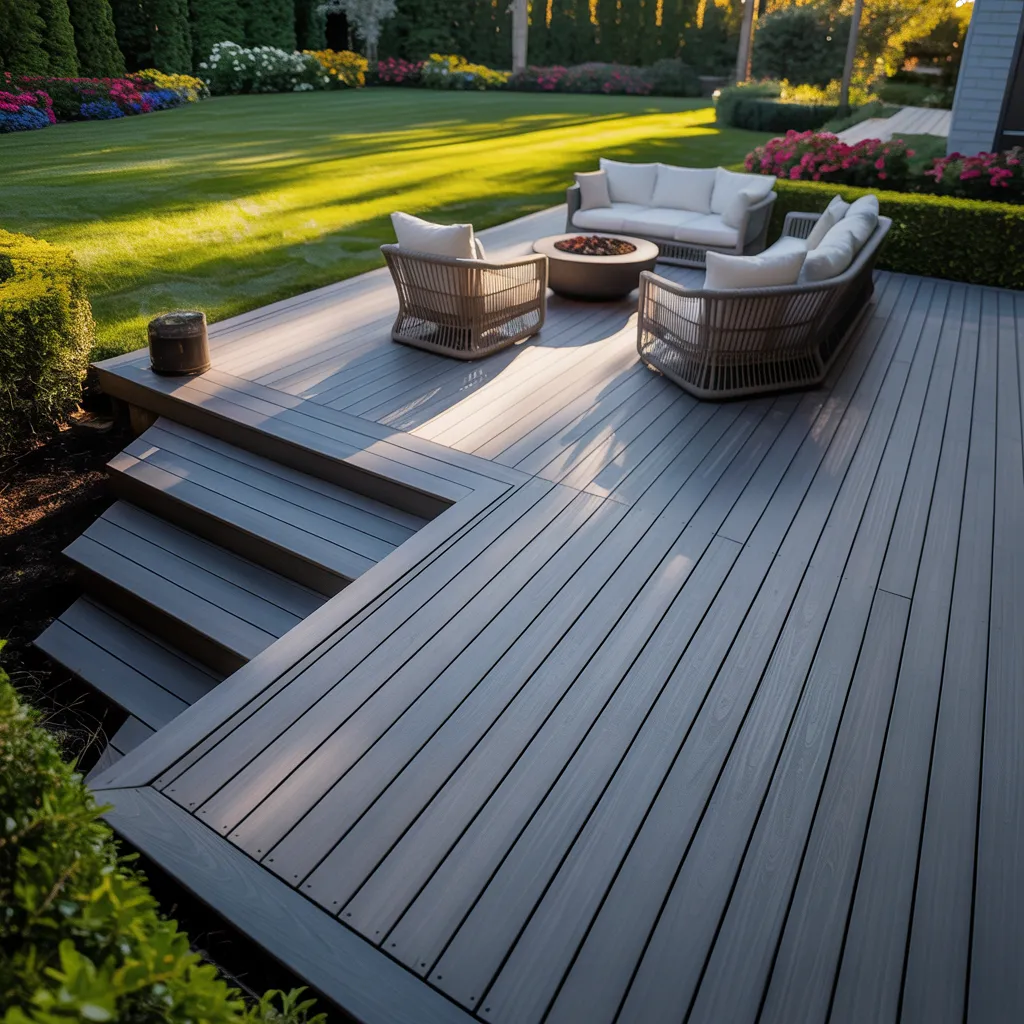
Why Choosing the Right Deck Builder Is Crucial for Your Project
Picking the ideal deck builder can substantially affect the result of a build. A skilled and reputable builder can ensure that the deck is built to meet both visual and practical requirements, improving the overall value of a residence. On the other hand, choosing an unqualified or untrustworthy builder may lead to poor workmanship, safety concerns, and potential legal issues. Quality materials, appropriate construction techniques, and compliance with local regulations are key factors that a well-informed builder will provide. Moreover, a professional deck builder will maintain clear communication, helping homeowners to share their ideas while also providing expert advice. This working relationship builds a feeling of confidence and fulfillment throughout the build. In the end, the right deck builder not only delivers a gorgeous exterior space but also ensures a smooth building experience, ensuring that the project delivers enduring returns. Making an informed choice at this stage is critical for reaching the goals you envision.
How to Evaluate Credentials and Experience of Deck Builders
Examining the credentials and experience of deck contractors is critical for guaranteeing project success. Residents should check insurance and licensing to safeguard against possible liabilities. Furthermore, examining industry experience and reviewing portfolio samples can provide insight into the contractor's skills and aesthetic approach.
Validate Licensing and Insurance
Before hiring a deck builder, it is essential to check their licensing and insurance status, as these qualifications reflect their professionalism and commitment to quality work. A valid license confirms that the builder follows local regulations and building codes, guaranteeing both compliance and safety. Additionally, insurance protects homeowners from potential liabilities, such as injuries or property damage that may occur during construction. It is recommended to request copies of both the license and insurance certificate for review. Checking with local regulatory bodies can further confirm the validity of the license. This step not only safeguards the investment but also instills confidence in the builder's expertise and reliability, leading to a more successful decking project overall.
Gauge Industry Expertise
Background serves a vital purpose in evaluating the standard of a deck builder's work. When evaluating potential specialists, it is essential to consider their experience in the trade and the variety of projects they have finished. Builders with significant experience are more likely to demonstrate a comprehensive grasp of materials and design principles, which can significantly impact the end result.
Furthermore, checking for any specialized training or certifications can further validate their skills. Speaking with previous clients can offer valuable information about the builder's reliability and professionalism. Ultimately, a contractor's level of experience acts as a key measure of their capability to produce a durable and aesthetically pleasing deck, rendering it a vital consideration in the evaluation process.
View Portfolio Samples
How can a homeowner truly assess a deck builder's skills and creativity? One effective method is to review the builder's portfolio samples. A comprehensive portfolio highlights past work, providing a clear picture of the builder's aesthetic sensibilities, quality of workmanship, and precision. Homeowners should look for diversity in projects, reflecting the builder's ability to adapt to various styles and preferences. Furthermore, reviewing before-and-after images can effectively illustrate the builder's ability to bring remarkable change to outdoor spaces.
Homeowners ought to also review client testimonials connected to each project, as these provide context and customer satisfaction levels. In the end, a comprehensive portfolio does more than showcase technical skill and also reflects the builder's unique perspective and innovative approach, helping homeowners make informed choices when selecting the right professional for their decking endeavor.
Pick the Right Deck Building Materials
Picking the correct deck building materials is vital, as they affect both the visual appeal and lifespan of the structure. Property owners should evaluate various alternatives, including PVC, wood, and composite. Classic wood varieties, such as cedar or redwood, provides a timeless appearance but necessitates routine care to avoid deterioration and weather damage. Composite materials, made from a blend of wood fibers and plastic, provide durability and low maintenance, appealing to those seeking sustainability without sacrificing style.
PVC decks are entirely synthetic, offering resistance to moisture, stains, and fading, making them an ideal option for humid climates. Each material has its unique benefits and drawbacks, including cost, appearance, and environmental impact. As a result, careful research and consideration of the home's design, local climate, and personal preferences will help homeowners choose the most appropriate materials for their deck. Ultimately, the choice will affect both the visual appeal and functional lifespan of the deck.
How to Plan a Budget for Your Deck
Creating a budget for a deck involves several key considerations. As a starting point, it is important to identify priorities, like dimensions and specific features. Following that, it is important to calculate material costs and account for labor costs to form a well-rounded financial strategy.
Determine Your Priorities
When planning a deck, understanding one's financial constraints is essential, as it creates a basis for thoughtful decision-making. Property owners should start by determining their priorities, zeroing in on the aspects that hold the greatest significance, such as scale, construction materials, and overall design. Such clarity serves to simplify the budgeting process.
Furthermore, it's important to assess potential trade-offs; for instance, opting for fewer decorative elements may enable higher-quality materials. Furthermore, homeowners ought to examine their overall aspirations—whether the aim is for social entertaining, unwinding, or increasing property value. Outlining specific priorities will not only support in forming a practical budget but also secure the completed deck matches the homeowner's lifestyle and preferences. This deliberate approach cultivates fulfillment with the complete investment in the deck.
Assess Material Costs
Once priorities have been established, homeowners can begin estimating material costs for their deck project. The initial step requires selecting the type of materials, such as wood, composite, or PVC, each offering different levels of price and durability. Homeowners should investigate local vendors and costs to assess the cost per square foot for their selected materials. Additionally, it's important to factor in the necessary quantities, including decking boards, railings, and fasteners. Setting aside funds for potential extras, such as protective coatings or stains, is also important. Compiling a detailed list of necessary materials facilitates more accurate cost estimation. By gathering this information, homeowners can create a realistic budget, ensuring that they align their material choices with their financial constraints and project goals.
Consider Labor Costs
Calculating labor expenses is a critical step in setting a budget for a deck build. Labor fees can change substantially based on area-specific pricing, the intricacy of the project, and the expertise of the contractors. Homeowners should request multiple bids from multiple deck builders to identify a competitive price range. It is advisable to find out what is encompassed in the labor charges, such as initial site work and post-project cleanup. Additionally, accounting for the project duration can affect labor expenses; more time-intensive projects can lead to greater costs. By weighing these labor factors together with material expenses, property owners can create a comprehensive budget that prevents unforeseen financial burdens during the project execution. Clear communication with builders about expectations is vital.
Key Questions to Ask During Your Deck Builder Interviews
What critical inquiries should homeowners make during deck builder interviews? To secure a satisfactory result, homeowners should question the builder regarding the builder's experience and specialization in deck construction. Checking their licensing and insurance status is crucial to establish authenticity and security. Homeowners should also ask for referrals from former clients to evaluate craftsmanship and overall performance.
Grasping the materials the builder recommends and their sourcing is important; it is advisable for homeowners to understand how durable the materials are and what maintenance they require. Moreover, discussing the estimated timeline for project completion helps set realistic expectations.
Homeowners should ask about the contractor's guarantee on both workmanship and materials, obtaining protection against possible problems. In addition, discussing payment plans and terms will help outline budgetary expectations. By posing these questions, prospective clients can more accurately determine which building professional matches their expectations and specifications.
What to Anticipate for Your Deck Project Timeline
How much time should homeowners plan for their deck project? The duration of a deck project depends significantly on a number of key factors, including design complexity, material selection, and weather conditions. In most cases, homeowners should expect a period of four to eight weeks from the first consultation through to project completion.
The workflow commences with design and planning, which may take one or two weeks. After the design has been completed, acquiring the necessary permits can require another one to two weeks. Once the permits have been granted, the main construction phase generally lasts anywhere from two to four weeks, depending on the project's size and scope.
Homeowners must also plan for possible setbacks caused by unexpected conditions, like adverse weather conditions or supply shortages. By recognizing these key steps, homeowners can develop practical expectations and get ready for the timeline of their deck project with confidence.
How to Interpret Reviews and Gather Recommendations for Deck Builders
Once a timeline for the deck project has been established, homeowners often seek reliable deck builders to carry out their plans. Reading reviews is an essential step in finding the right builder. Homeowners should look for sites that offer verified reviews, such as Yelp, Google, or dedicated construction forums. It is wise to prioritize up-to-date feedback, as they indicate the contractor's current level of quality and dependability.
When reviewing testimonials, homeowners should take into account the overall rating alongside detailed feedback regarding communication, quality, and punctuality. Referrals from family, friends, or neighbors can also be invaluable. Direct recommendations often come with firsthand experiences, offering details not typically found in online reviews.
In addition, it is beneficial to consult several sources to build a thorough assessment of potential builders. This comprehensive strategy guarantees that homeowners identify a deck builder who meets their needs and project specifications.

Commonly Asked Questions
What Kind of Warranty Do Deck Builders Typically Offer?
In most cases, deck builders offer warranties ranging from a single year up to a decade, depending on workmanship and materials. Home owners should carefully review warranty details, as coverage may differ substantially between builders and individual projects.
How Do Weather Conditions Affect Deck Construction Timelines?
Weather patterns have a major effect on deck construction completion times. Rain, snow, or extreme temperatures can delay projects, while calm and dry conditions allow work to move forward more rapidly. Builders often adjust schedules based on forecasts to guarantee ideal working conditions.
Can I Customize My Deck Design After the Project Starts?
Absolutely, customization of deck design is possible once the project has begun, but this could result in unexpected delays and extra expenses. Transparent dialogue with the builder is essential to manage expectations and guarantee successful adjustments.
What Permits Do I Need for Deck Construction in My Area?
Local regulations often require deck construction permits, which include building permits and zoning authorizations. Property owners should reach out to their local building department to determine specific permits needed depending on the deck's design, size, and location.
How Do Deck Builders Manage Unexpected Project Changes or Issues?
Deck builders typically address unexpected project changes or issues by maintaining open communication with clients, assessing the circumstances, and offering practical solutions. They frequently modify schedules and costs to account for required changes while guaranteeing that the quality of the work is preserved.